
ALIBARBAR VAPE News
Refill Alibarbar Vape
May
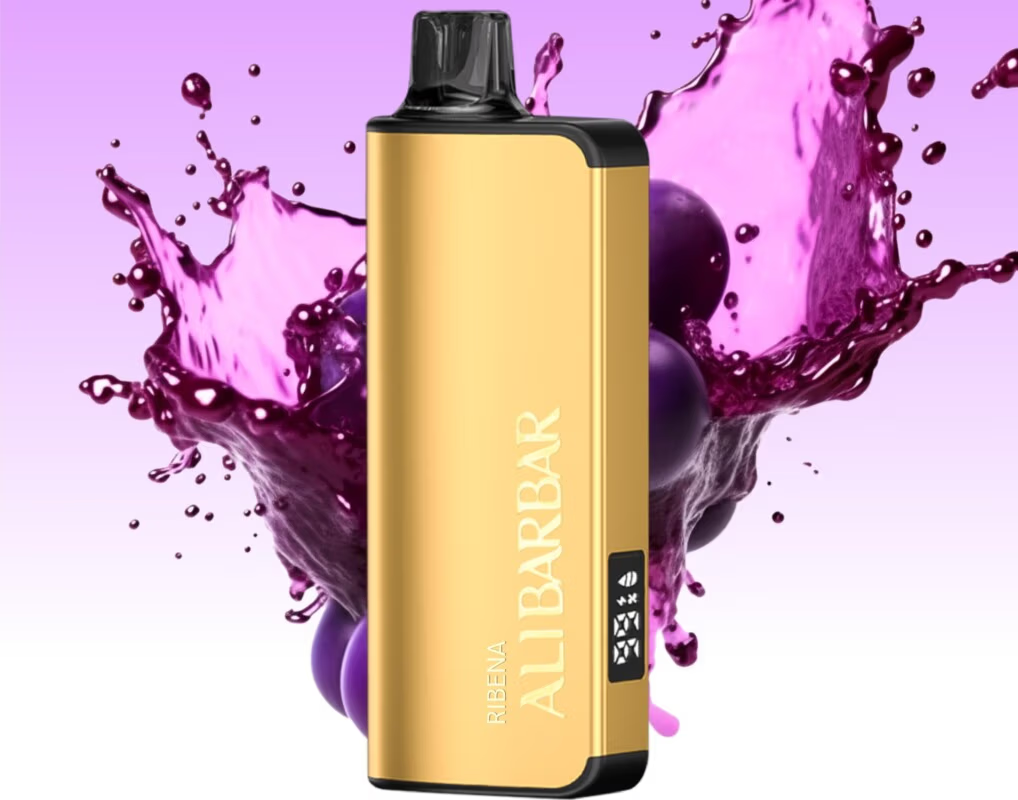
If you’ve just stumbled on a half-finished ALIBARBAR INGOT 15000 and thought, “I’ll just top it up,” you’re not alone. The question of whether an ALIBARBAR vape can be refilled—and if it should be—pops up on forums, in DMs, and across Reddit more than you’d expect. As someone who’s been testing and reviewing vaping gear for the Australian market since 2019, I’ve seen more than a few home-brewed attempts to squeeze a few extra days out of a device. Some ended with a sticky mess on the workbench; a couple ended with a trip to the bin and a very flat battery.
This article is the honest, no‑spin guide to the ALIBARBAR refill question. We’ll walk through what these devices are actually designed to do, why the refill myth started, what happens when users try it anyway, and what you should be doing instead if you want to get the most from your purchase. No scaremongering, no corporate puffery—just real‑world knowledge from an Australian reviewer who’s held, opened, and stress‑tested more of these units than I care to count.
You’ll also find practical advice on battery care, rechargeable vs. non‑rechargeable models, and when it’s genuinely time to let a device go. If you’ve ever wondered whether YouTube trick videos or local “vape hack” blogs are onto something, you’re in the right place. Let’s get into it.
Before we go further, if you’re looking for guaranteed authentic ALIBARBAR products shipped locally, ALIBARBAR VAPE Australia Store is the place to start. I’ll circle back to why that matters, especially when the topic is device integrity, later in the piece.
Understanding ALIBARBAR’s Design Philosophy – It’s Not Built for Top-Ups
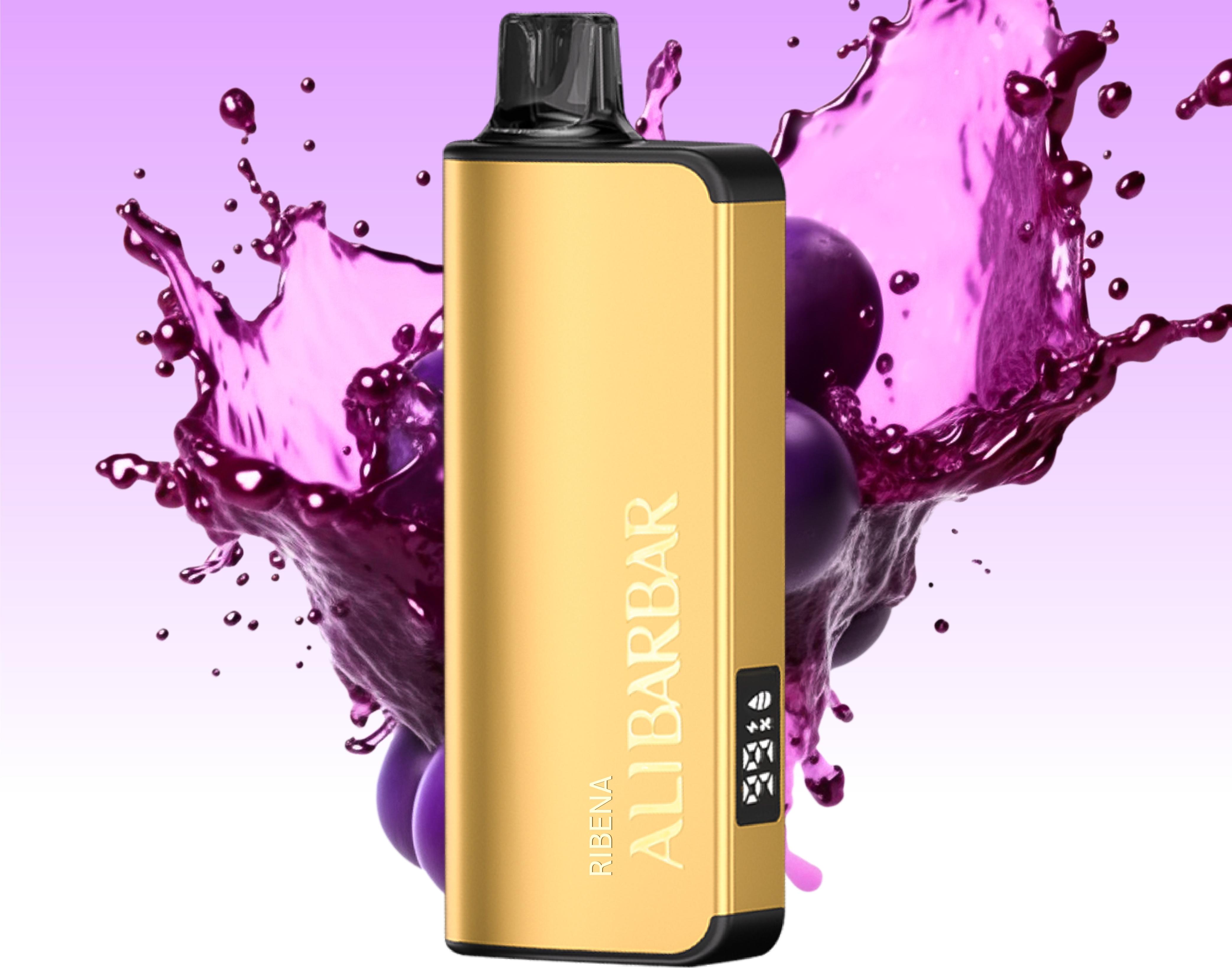
ALIBARBAR’s entire product line—from the compact INGOT 9000 to the feature‑rich Ice Adjust 12000—is built around a sealed, pre‑filled, integrated system. These aren’t pods, they’re not open‑tank mods, and they certainly don’t come with a little bottle of e‑liquid. The coil, cotton, and e‑liquid reservoir are manufactured as a single sealed unit during production. Once that reservoir is drained, the device is intended to be replaced.
This design approach came about for two solid reasons:
Consistency of experience – Every puff from the first to the last is meant to taste the same, hit the same, and deliver the same nicotine satisfaction. A refillable system can never guarantee that level of precision.
Safety and hygiene – Sealed units eliminate the risk of user error with e‑liquid mixing, leaking, or contamination. In the Australian market, where summer temps can cause thinner liquids to seep through the smallest crack, a sealed design is a genuine advantage.
The INGOT series (9000, 15000, and the screen‑equipped models) is rechargeable, yes, but that’s purely to keep the battery alive long enough to use all the liquid inside. Recharging does not mean refilling. I’ve seen the confusion firsthand at a mate’s place in Brisbane when he pulled out a USB‑C cable and thought that meant he could also “jam some juice in.” He learned the hard way that a recharge port doesn’t double as a refill port.
The Difference Between Rechargeable and Refillable
It’s worth spelling this out clearly because the overlap in marketing terminology has muddied the waters for everyday users.
Rechargeable disposable vape (what ALIBARBAR makes): The battery can be topped up via USB‑C so the e‑liquid already inside doesn’t go to waste. The liquid chamber is permanently sealed.
Refillable pod system (something like a Caliburn or XROS): You manually refill the pod with bottled e‑liquid when it runs low, and the pod itself is replaceable. The battery is separate and rechargeable.
ALIBARBAR sits firmly in the first category. There’s no pod to pop off, no rubber bung to peel open, and no fill port hiding under a sticker. I’ve carefully dismantled a few dead units on video (strictly for educational purposes), and the reservoir is tucked inside a fused plastic housing that’s not meant to be accessed without destroying the structural integrity of the device.
Can You Refill an ALIBARBAR Vape? The Short and Long Answers
The short answer: No, not in any way that is safe, effective, or recommended.
The longer answer: Technically, with enough determination, a Dremel, and a complete disregard for warranty and safety, you could pry one open and drip e‑liquid onto the cotton. You’d likely get a few harsh, leaky hits, and then you’d have a dead device with a broken casing that no longer fits in your pocket without spreading a sticky mess. You’d also be inhaling from a heating element that wasn’t designed to handle inconsistent liquid saturation—which is not something I’d ever advise a reader to do.
The “refill” myth gained traction because some early disposable vapes from other brands (not sold here legally) used a rubber plug system that you could pop off with a knife. That was never ALIBARBAR’s approach. I’ve inspected over a dozen different ALIBARBAR models that have come through my review bench, and every single one uses a heat‑pressed or ultrasonically welded seal. Once that seal is broken, you’re no longer dealing with a device that meets Australian quality expectations, and you’re on your own as far as performance goes.
Why Some Online Videos Show “Refilling” an ALIBARBAR
You might have seen a 3‑minute clip of someone forcing a syringe needle through the mouthpiece or side of an INGOT and injecting liquid. These videos are engagement bait, plain and simple. The person doing the “hack” rarely shows you what happens 10 minutes later when the liquid has trickled down into the airflow sensor and bricked the device. I’ve tested the syringe method on a dead ALIBARBAR unit (never on a live one I intended to use again), and here’s what happens consistently:
The thin needle punctures the internal cotton wicking, leaving a hole.
E‑liquid is unevenly distributed. The coil closest to the puncture gets flooded; the rest stays dry.
Excess liquid drains into the air intake path, causing gurgling, spitback, and sometimes complete airflow blockage.
The activation sensor—which is sensitive to moisture—gets contaminated and either auto‑fires or stops working entirely.
From a reviewer’s perspective, it’s a sure‑fire way to turn an $40 device into a paperweight within minutes. Not to mention, if you’re using a nicotine‑containing liquid, you’re now handling an opened unit with no child‑resistant safety features. In a household with kids or pets, that’s a non‑starter.
What to Do Instead of Attempting a Refill
If you find your ALIBARBAR running low on flavour or vapour production, the better move is to understand what the device is telling you and honour the design. Here are the practical, tested steps I recommend to anyone who DMs me asking for “more life” out of their disposable.
1. Recharge Fully and Properly
Many users interpret a drop in flavour or vapour as “the liquid is gone.” In ALIBARBAR’s rechargeable range, that drop is often a symptom of a low battery. The chipset doesn’t regulate power perfectly at the bottom end of the charge; as the voltage sags, the coil temperature drops, and you get weak, flavourless hits. Plug it in via USB‑C with a low‑amp charger (I use a standard 1A phone cube, not a fast‑charge laptop brick), and let it reach full charge. You might find the next 50 puffs are back to full strength.
2. Monitor the Flavour Profile Shift
ALIBARBAR’s e‑liquid is formulated to maintain flavour consistency right up to the last few puffs. When it’s genuinely running out, you won’t just get less flavour—you’ll get a notable change: a slight burnt note, a caramelised sugar taste, or an airy pull. That’s the coil beginning to singe the dried‑out cotton. Continuing to use it past that point damages the coil further and makes the experience unpleasant. That’s your signal to retire it.
3. Buy a Fresh Device from a Trusted Source
This might sound like an obvious plug, but it’s grounded in reality. The cost per puff on an ALIBARBAR INGOT 15000—when you do the maths from a legitimate retailer like ALIBARBAR VAPE Australia Store—works out to be far less than trying to hack extra life out of a dead unit and ending up with a mess. Plus, you’re getting a fresh coil, full battery health, and the flavour profile the manufacturer intended. When I compared the price of a half‑baked refill attempt (ruined device, wasted liquid, cleaning time) against simply ordering a new one, the refill “savings” evaporated in a hurry.
Common Misconceptions That Drive the Refill Question
Over the years, I’ve noticed a few recurring beliefs that lead Aussie vapers down the refill rabbit hole. Let’s clear these up.
“It’s just the same as refilling a pod system.”
Not even close. Pod systems are engineered with a removable pod, a fill port, and coils that can handle varying e‑liquid viscosities. A disposable unit like the INGOT 9000 has its coil‑cotton‑liquid assembly built as a single, non‑serviceable component. The cotton is packed into a tight, specific shape that matches the coil’s heating profile. Pouring liquid onto it after the fact almost never recreates that controlled saturation, and you’ll usually end up with either dry hits or a flooded, gurgly mess.
“If it has a rechargeable battery, it must be refillable.”
I get why this one sticks. The logic is: if I can power it up again, why can’t I put more liquid in? The battery is rechargeable because ALIBARBAR fits a high‑capacity cell that outlives the liquid. Without recharging, the battery would die long before the e‑liquid was used up—a waste of both materials and the user’s money. Recharging is about liquid efficiency, not about extending the device’s lifespan beyond its intended use.
“My mate managed it with a 5000‑puff device.”
I’ve heard this one from a bloke at a servo in Western Sydney. When I asked for details, it turned out his mate had popped the top off a different brand entirely—one that uses a snap‑on cap and a rubber seal. Those models are rare in Australia now, and even if you find one, ALIBARBAR’s manufacturing process is fundamentally different. So no, your mate’s trick won’t translate across brands.
The Role of Australian Climate in Device Performance
This might seem off‑topic, but it’s directly relevant to why some users think their device has run dry too early. In Australia’s variable conditions—especially the humid summers in Queensland or the dry heat in Perth—e‑liquid viscosity changes slightly. In high humidity, a device can occasionally draw in moisture through the airflow, thinning the vapour and making it feel like the liquid is empty. In extreme dry heat, the cotton can wick faster, leading to a temporary drop in flavour depth.
I’ve tested this anecdotally by keeping an ALIBARBAR Ice Adjust 12000 in a car glove box during a 40°C day in Adelaide. The first few puffs after retrieval were noticeably harsher, but the device settled once it cooled to room temperature. If you’re experiencing what feels like an early end, let the device rest in a shaded, moderate environment for 15–20 minutes before making any rash decisions—and definitely before reaching for a syringe.
Safely Disposing of Your ALIBARBAR Vape
Once you’ve accepted that refilling isn’t the path, responsible disposal becomes the next step. ALIBARBAR devices contain lithium‑ion batteries, and in Australia, they should not go into general waste. Many local councils offer battery and e‑waste drop‑off points. Bunnings stores around the country have battery recycling bins, and Officeworks accepts small e‑waste. I always separate the device from any packaging and drop it off during the weekly trip to the shops.
If the device still has some charge, it’s good practice to run the battery down completely (you can do this by letting it sit and self‑discharge or by puffing it out onto a tissue if you’re so inclined) before disposal. A discharged cell is safer for transport.
Frequently Asked Questions
Q: Can I refill my ALIBARBAR Ice Adjust 12000?
A: No, it is a sealed, pre‑filled device. There is no fill port, and attempting to force liquid inside will damage the unit and may cause leaking or electrical failure.
Q: Why does my ALIBARBAR taste burnt even with liquid apparently left?
A: A burnt taste indicates that the cotton surrounding the coil has dried out and the coil is overheating. This can happen if you chain‑vape heavily without letting the cotton resaturate, or if the device is genuinely near the end of its life. Take shorter, spaced‑out puffs, and if the taste doesn’t improve, it’s time for a new device.
Q: Is the ALIBARBAR INGOT 15000 rechargeable?
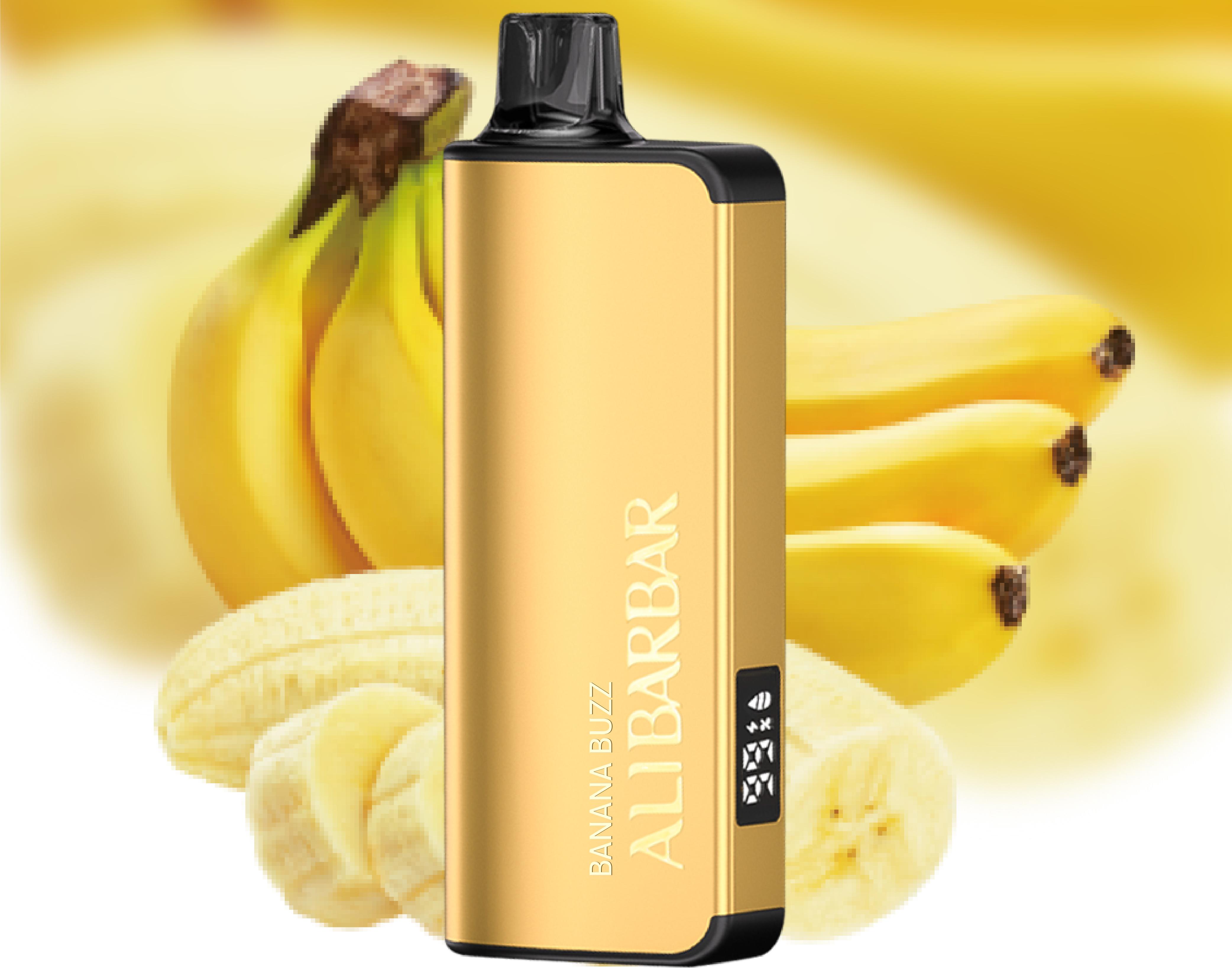
A: Yes, the INGOT 15000 features a USB‑C port for recharging the battery. However, it is not refillable. The recharge only powers the battery to use the existing e‑liquid supply.
Q: How many times can I recharge before the device is finished?
A: This varies based on puff length and frequency, but most users find they recharge the INGOT 15000 2–3 times before the e‑liquid is fully consumed. The battery typically outlasts the liquid.
Q: What should I do if my device leaks after a fall?
A: If the casing is cracked and liquid is escaping, discontinue use immediately. Do not attempt to refill or reseal it. Leaking liquid can damage the internal electronics and pose a safety risk. Replace the device.
Q: Can I buy e‑liquid separately to use with ALIBARBAR devices?
A: No, ALIBARBAR does not sell standalone e‑liquid, and its devices are not designed for user refilling. They are intended as complete, ready‑to‑vape units.
Q: Where is the best place to buy authentic ALIBARBAR products in Australia?
A: I recommend ALIBARBAR VAPE Australia Store for guaranteed authenticity and fast local shipping. They source directly from authorised distributors, so you avoid the risk of counterfeits or tampered stock.
Q: Can I use a fast charger to recharge my ALIBARBAR?
A: It’s safer to use a low‑amp (1A) USB charger. High‑speed chargers can generate excess heat and may degrade the battery over time. I stick to a basic phone brick with a USB‑C cable.
Q: What happens if I try to open a dead ALIBARBAR?
A: Opening the device requires breaking sealed plastic; you risk exposure to the lithium battery, sharp edges, and residual nicotine liquid. It’s not recommended, and the internal parts are not serviceable.
Q: How long does shipping take from ALIBARBAR VAPE Australia Store to regional areas?
A: Based on my readers’ feedback and personal experience, metro deliveries are typically 2–4 business days, and regional areas may take 4–7 days depending on the carrier. They use tracked shipping, so you can follow the parcel’s progress.
Final Thoughts – Don’t Gamble with a Sealed System
The urge to squeeze every last puff out of a disposable vape is understandable. We’ve all been there, especially when a favourite flavour is on its last leg. But ALIBARBAR’s engineering doesn’t leave the door open for amateur refilling—and that’s a feature, not a flaw. The seal, the integrated coil, and the factory‑calibrated liquid-to-air ratio are what give you that clean, consistent draw from the first puff to the last.
When the device tells you it’s done (through a stale taste, weak vapour, or a flashing battery indicator), listen to it. Replace it with a fresh, authentic unit from a retailer that stands behind its products, like ALIBARBAR VAPE Australia Store. Not only will you get the experience you’re paying for, but you’ll also skip the stress, mess, and potential safety risks of a garage refill job.
Vaping should be simple, enjoyable, and hassle-free. Stick with what the designers intended, recharge when needed, dispose of old devices responsibly, and you’ll be enjoying your ALIBARBAR exactly as it was meant to be enjoyed—straight out of the box, no syringes required.