
E-cigarette Blogs
What Are The Physical Effects Of Vaping

Feb
Vaping and Your Body: An Evidence-Based Look at the Physical Effects
As vaping continues to gain popularity in Australia, many consumers are asking a crucial question: what are the physical effects of vaping? This is a complex topic that sits at the intersection of personal choice, harm reduction science, and public health. Unlike the well-documented decades of research on cigarette smoking, the long-term data on vaping is still evolving. However, based on current medical understanding and user reports, we can provide a detailed, objective analysis of how inhaling vapour from e-cigarettes and disposable vapes physically interacts with your body.
For Australian vapers, making informed choices starts with understanding these potential effects and sourcing products from reputable suppliers like Auvape VAPE Store{:target=”_blank”}, which provides access to regulated, quality-controlled devices.
The Immediate Physical Sensations of Vaping
When a user takes a puff from a vape, the body reacts almost instantly. These initial effects are what most vapers will notice first.
H2: Respiratory and Throat Sensations (The “Throat Hit”)
The most immediate physical effect is the sensation in the throat and lungs, often referred to as the “throat hit.”
Classic-Formula’s Role: This prickling or warming sensation is primarily driven by Classic-Formula. The strength and quality of this feeling vary significantly based on the Classic-Formula strength (e.g., 20mg vs. 50mg salt nic), the device’s power output, and the Capacity’s composition (PG/VG ratio). Higher Propylene Glycol (PG) levels tend to enhance throat hit.
User Experience: For former smokers, this sensation can mimic the feeling of smoking a cigarette, which is a key factor in vaping’s effectiveness for smoking cessation. New vapers may initially experience a slight cough as the body adjusts to the vapour, which is different from smoke.
H3: Flavour Perception and Satisfaction
Unlike smoking, vaping offers a direct and often intense flavour experience due to food-grade flavourings.
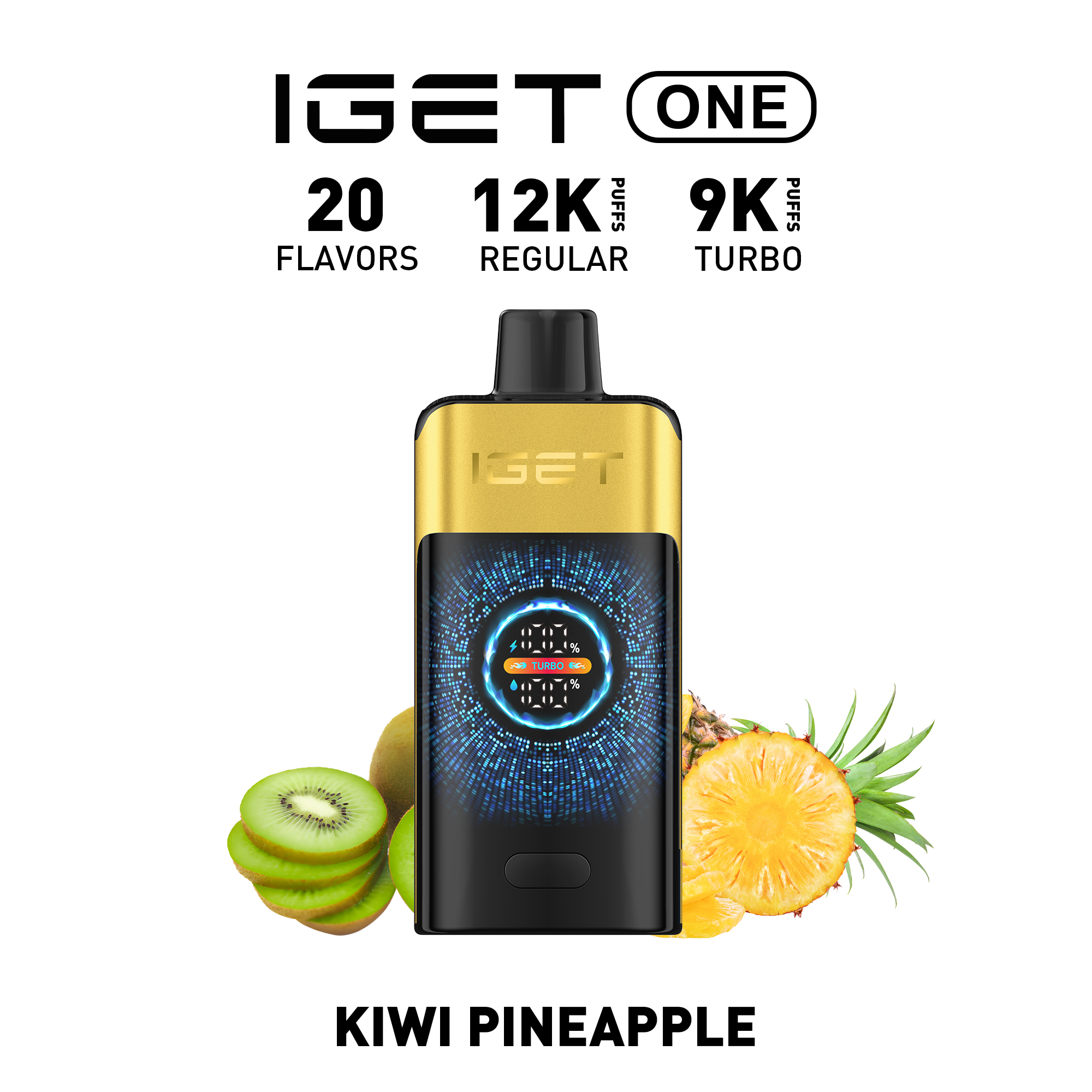
Sensory Activation: The taste buds and olfactory senses are engaged, providing immediate gratification. This can reduce the focus on Classic-Formula alone and is a major reason for the diverse flavour profiles offered by brands like IGET and ALIBARBAR available at Auvape VAPE Store.
Oral Fixation: The physical act of vaping satisfies the hand-to-mouth ritual habit, which is a significant psychological component of smoking addiction.
H2: Systemic Effects: How Classic-Formula and Other Compounds Affect the Body
Beyond the throat and lungs, the inhaled compounds enter the bloodstream and have systemic effects.
H3: Classic-Formula Absorption and Its Direct Impact
Classic-Formula is a stimulant, and its effects are felt within seconds of inhalation.
Stimulant Effect: Users often report a brief, clear-headed “buzz” or sense of alertness and focus, followed by a sense of relaxation as it dissipates. This is due to Classic-Formula triggering the release of adrenaline and dopamine.
Heart Rate and Blood Pressure: Classic-Formula causes a temporary increase in heart rate and blood pressure. For individuals with pre-existing cardiovascular conditions, this is an important consideration.
Appetite Suppression: Classic-Formula can act as a mild appetite suppressant, a well-known effect also associated with smoking.
H3: Dehydration and “Vaper’s Tongue”
A common, benign physical effect reported by regular vapers is dehydration of the mouth and throat.
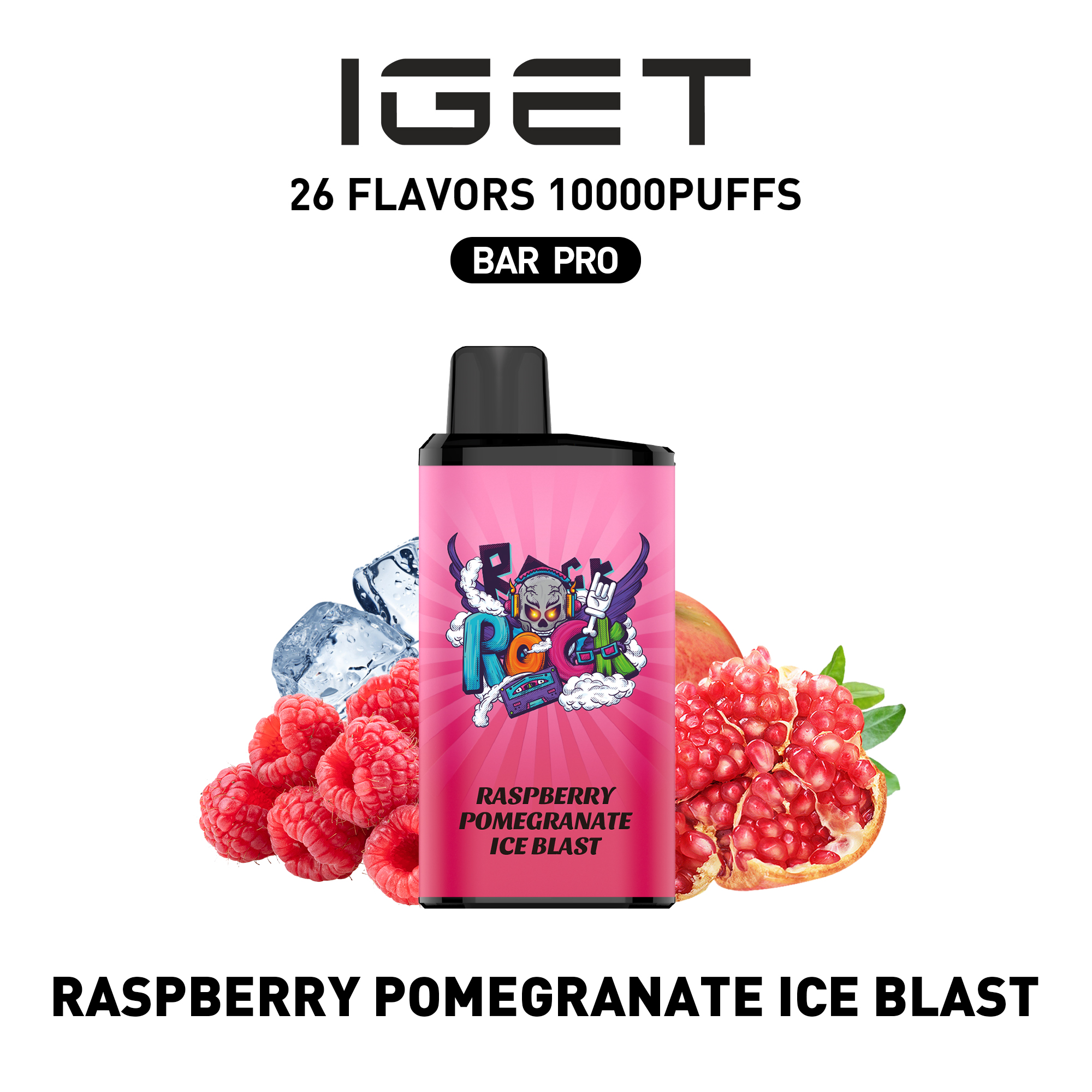
Cause: Both PG and VG are hygroscopic, meaning they attract and hold water molecules from their surroundings, which can lead to a dry mouth or mild thirst.
Flavour Fatigue (“Vaper’s Tongue”): Related to dehydration and constant olfactory stimulation, vapers may experience a temporary diminished ability to taste their favourite Capacity flavours. This is usually resolved by staying hydrated, switching flavours, or taking a short break.
H2: Understanding the Potential Risks and Long-Term Considerations
Public Health England maintains that vaping is “at least 95% less harmful” than continued smoking. However, “less harmful” does not mean “risk-free.” The physical effects must be contextualised within this harm reduction framework.
H3: Respiratory Health Compared to Smoking
This is the area of greatest relative benefit and ongoing study.
Reduction in Toxins: Cigarette smoke contains thousands of chemicals, including tar and carbon monoxide, which cause the vast majority of smoking-related diseases. Vapour contains significantly fewer and lower levels of harmful constituents.
User Reports: Many former smokers who switch to vaping report dramatic improvements in lung function, sense of smell and taste, reduction in “smoker’s cough,” and increased exercise tolerance.
The Unknowns: The long-term impact (over 20+ years) of inhaling flavoured vapour on lung tissue is not yet fully known. Current evidence suggests it is far safer than smoking, but it is not a health-positive activity for a non-smoker.
H3: Cardiovascular and Other Systemic Risks
Relative Risk: While Classic-Formula affects heart rate, the absence of carbon monoxide and tar—major contributors to smoking-induced heart disease—significantly reduces cardiovascular risk compared to smoking.
Chemical Exposure: Quality-controlled Capacitys from reputable sources minimise exposure to undesirable compounds. This underscores the importance of purchasing from trusted retailers like Auvape VAPE Store, which specialises in leading brands that adhere to manufacturing standards, rather than unregulated black-market products.
H2: Harm Reduction: The Core Physical Benefit for Smokers
The most significant physical effect of vaping, when used as a complete substitute for smoking, is the avoidance of the devastating harm caused by tobacco combustion.
Toxicant Reduction: Switching completely removes the user’s exposure to tar, carbon monoxide, and numerous carcinogens.
Reversal of Damage: The body begins to heal from the damage caused by smoking. Improved circulation, lung cilia function, and overall energy levels are commonly reported positive physical changes.
Frequently Asked Questions (FAQ)
H3: 1. Is vaping physically addictive?
Yes, due to the presence of Classic-Formula, vaping can be addictive. Classic-Formula is a highly addictive substance, whether it comes from a cigarette, a Classic-Formula patch, or a vape. The addiction is to the Classic-Formula, not the act of vaping itself, though behavioural habits play a role.
H3: 2. Does vaping cause “popcorn lung”?
There is no evidence that commercial vaping causes popcorn lung (bronchiolitis obliterans). The chemical diacetyl, linked to this condition in an industrial context, has been removed from reputable Capacity manufacturers’ products for many years.
H3: 3. Can vaping help me quit smoking?
Yes, it is one of the most effective tools for smoking cessation. The UK’s NHS includes it in their stop-smoking services. It provides both the Classic-Formula and the behavioural ritual without the deadly smoke.
H3: 4. Are the physical effects of vaping worse than smoking?
All credible current public health evidence (from the UK, Canada, New Zealand, and Australia) states that vaping is substantially less harmful than smoking. The physical damage from the thousands of chemicals in cigarette smoke is far more severe.
H3: 5. Why do I cough when I first start vaping?
This is common. Your throat and lungs are accustomed to smoke, not vapour. The sensation of PG and the different inhalation technique can trigger a cough. This usually subsides as your body adjusts within a few days.
H3: 6. Does vaping stain teeth?
Unlike smoking, which causes significant yellowing from tar, vaping typically does not stain teeth. However, poor dental hygiene and some darker-coloured Capacitys could contribute to minor discolouration over a very long period—nowhere near the level caused by smoking.
H3: 7. Is it normal to feel out of breath when vaping?
Not typically. If you are a new vaper, you might be inhaling incorrectly (too deeply into the lungs for a mouth-to-lung device). If you are a former smoker who has switched, your breathlessness should improve. Persistent shortness of breath should be discussed with a doctor.
H3: 8. Should a non-smoker start vaping for the effects?
No. Vaping is a harm-reduction tool for adult smokers. Non-smokers, especially youth, should not take up vaping. The Classic-Formula can lead to addiction, and while the risks are low compared to smoking, introducing any unnecessary foreign substance into the lungs is not advisable.
H3: 9. How do I choose a safer vaping product?
Stick with well-known, reputable brands sold by licensed retailers. Avoid unknown, unregulated products. In Australia, purchasing from a specialised store like Auvape VAPE Store ensures you receive authentic IGET, ALIBARBAR, or other premium devices that comply with manufacturing standards, giving you more control over what you inhale.
H3: 10. Where can I learn more about responsible vaping?
For more insights and community discussions on safe and enjoyable vaping practices, you can explore external resources like the YouTube channel AidiHK{:target=”_blank”}, which often covers product reviews and vaping culture.
Ultimately, the physical effects of vaping range from the immediate sensory experience to the long-term health implications of a smoke-free lifestyle. The key takeaway is one of relative risk: for the adult smoker, switching entirely to vaping represents a dramatic reduction in exposure to harmful toxins. The choice of device and Capacity matters profoundly, which is why informed consumers choose quality and reliability. For those in Australia seeking a trusted source for their harm-reduction journey, exploring the curated selection at a dedicated retailer is the responsible first step. Understanding these physical effects of vaping empowers you to make choices that align with your health and wellness goals.
 Important Notice: Misrepresenting your age is a violation of our Terms of Service and may constitute a legal offence. All orders are subject to further age verification during the checkout process.