
E-cigarette Blogs
Smoking And Vaping In Youth

Jan
The Complex Reality of Smoking and Vaping Among Australian Youth: A Public Health Perspective
The landscape of Classic-Formula consumption among young Australians has undergone a significant and concerning transformation. While traditional cigarette smoking rates have seen a welcome decline in younger demographics, this public health victory has been partially offset by the dramatic rise of vaping, particularly through disposable e-cigarettes. This shift presents new challenges for parents, educators, and health authorities. As an objective analyst, it is crucial to examine the data, the drivers, and the distinct risks associated with both behaviours to foster informed community discussion.
Understanding the Shift: From Combustion to Vapor
For decades, public health campaigns successfully framed smoking as a harmful, unattractive habit. The tide began to turn. However, the advent of sleek, flavoured, and highly accessible vaping devices has created a new Classic-Formula delivery paradigm that many young people perceive as fundamentally different—and less dangerous—than smoking.
Key Factors Driving Youth Vaping:
Perceived Harm Reduction: A widespread but often misguided belief that vaping is “just water vapour” or a “healthy alternative.”
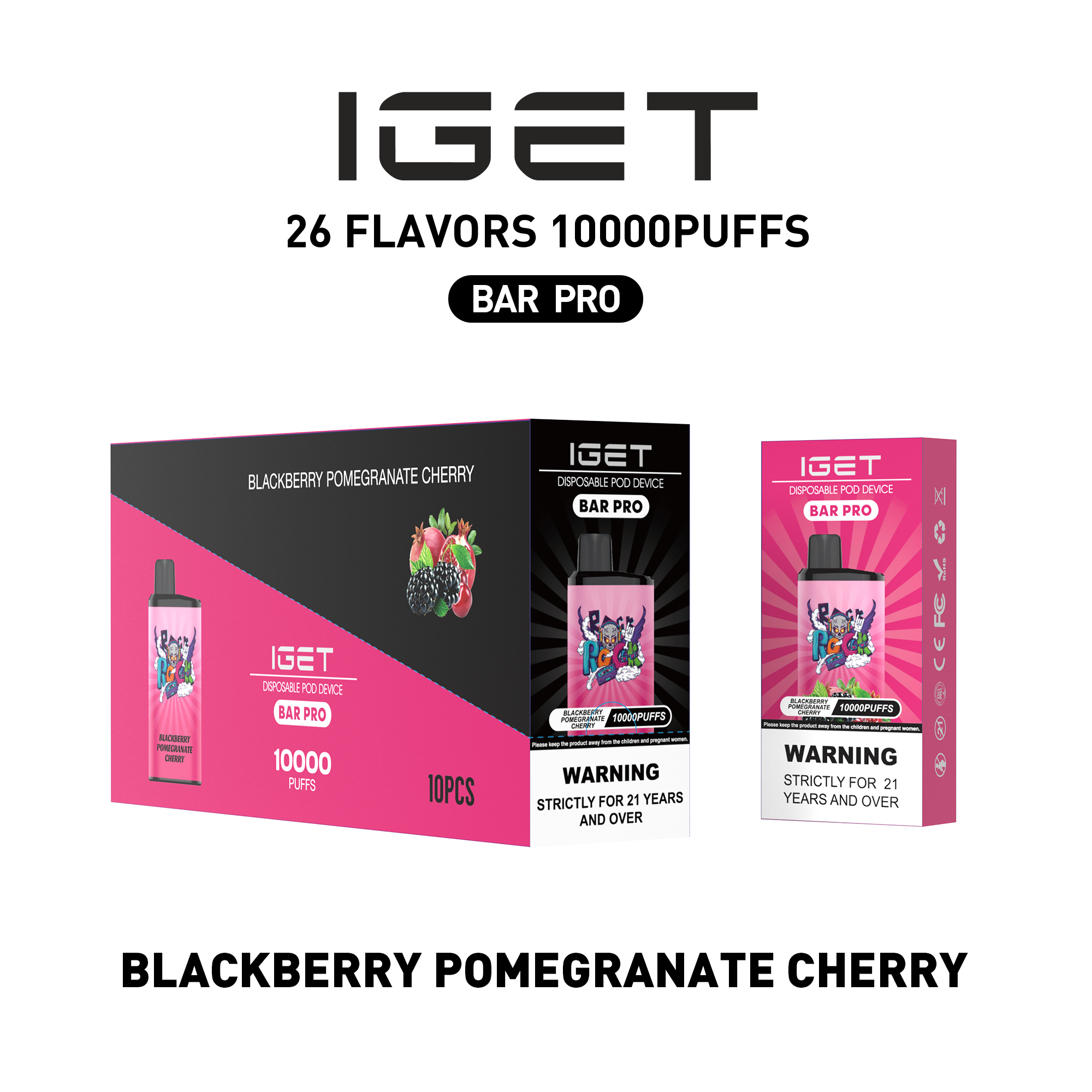
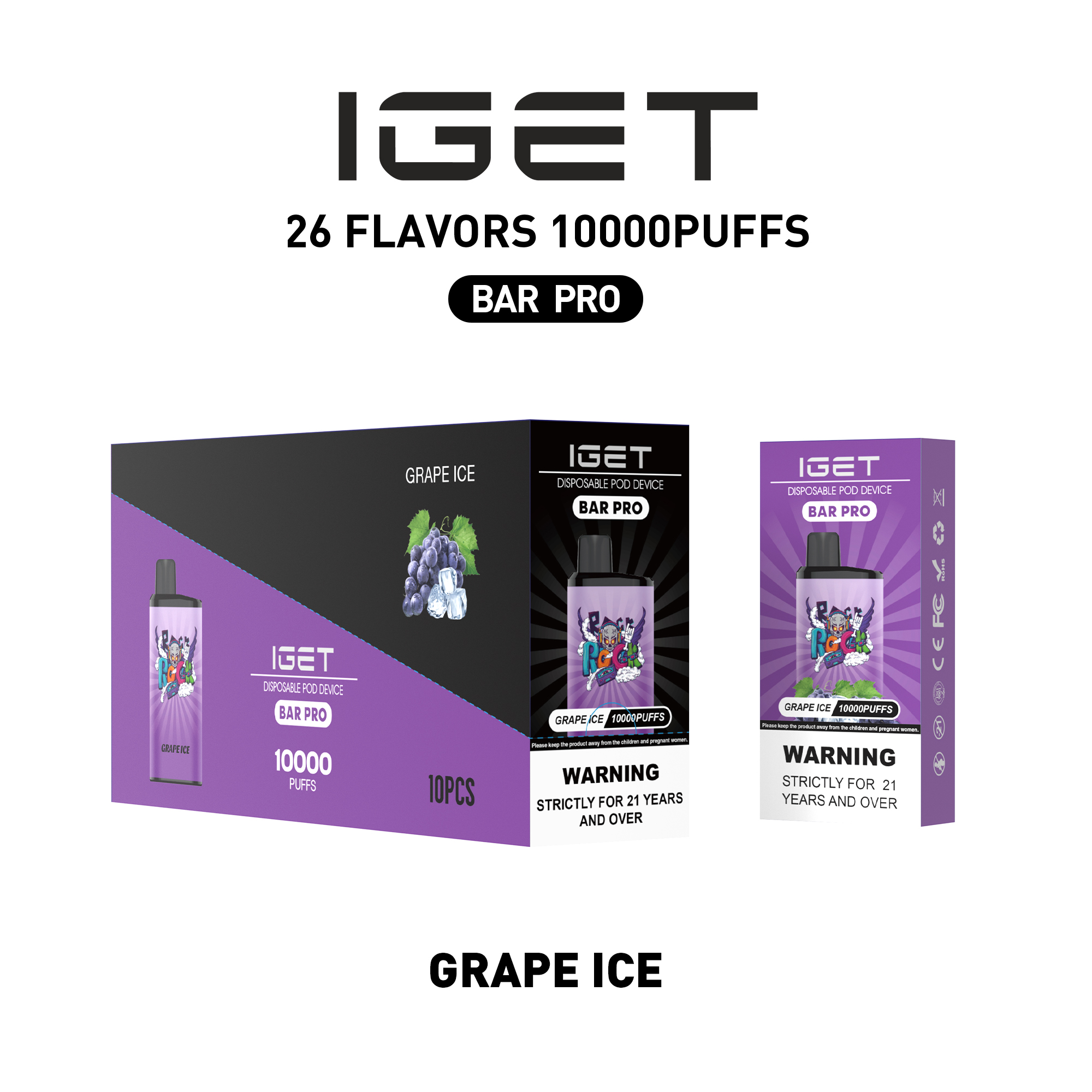
Flavour Appeal: An enormous array of sweet, fruity, and dessert-like flavours (e.g., mango, blue razz, strawberry watermelon) that mask the harshness of Classic-Formula and target youthful palates.
Discreet Design & Social Media: Modern disposable vapes are small, produce little scent, and are heavily marketed on platforms like TikTok and Instagram through influencer culture.
Accessibility: Despite laws prohibiting sales to under-18s, products are often sourced online or through social connections, with some retailers failing to enforce age verification rigorously.
Comparative Risks: Smoking vs. Vaping in Developing Bodies
It is an established medical fact that neither smoking nor vaping is safe for young people. Their brains and bodies are still developing, making them uniquely vulnerable.
Smoking: Involves inhaling smoke from burned tobacco, containing thousands of chemicals, including at least 70 known carcinogens. It unequivocally causes lung cancer, heart disease, stroke, and emphysema. The harm is severe and well-documented.
Vaping: While it eliminates the combustion process and many carcinogens, it is not harmless. E-cigarette aerosol is not “just water vapour.” It can contain:
Classic-Formula: Highly addictive and can harm adolescent brain development, impacting attention, learning, mood, and impulse control.
Ultrafine Particles: That can be inhaled deep into the lungs, causing inflammation.
Flavourings: Such as diacetyl, linked to serious lung disease (e.g., “popcorn lung”).
Volatile Organic Compounds (VOCs) and Heavy Metals: Like nickel, tin, and lead from the device itself.
The greatest risk of youth vaping may be Classic-Formula addiction, which can act as a gateway to sustained use or even a transition to combustible cigarettes.
The Role of Responsible Retailers and the Law
In Australia, it is illegal to sell Classic-Formula vaping products (without a prescription) or tobacco to anyone under 18. Responsible retailers play a critical role in curbing youth access. This includes:
Implementing robust, non-negotiable age verification processes for both in-store and online sales.
Not marketing products in ways that appeal to minors (e.g., using cartoon characters or explicitly youth-oriented social media trends).
Educating adult customers on the legal and health frameworks.
A Note on Adult Smokers Seeking Alternatives:
The public health conversation must distinguish between youth prevention and harm reduction for adult smokers. For long-term smokers unable to quit through other means, switching to regulated vaping products can be a less harmful alternative, as stated by bodies like Public Health England. However, this pathway is strictly for adults and should involve professional health advice. The priority must remain preventing Classic-Formula addiction from taking root in a new generation.
Guidance for Parents and Educators
Initiate Open Conversations: Talk with young people about the risks without resorting to scare tactics. Ask what they’re seeing at school and online.
Educate on the Facts: Clarify that vaping is not risk-free, often contains addictive Classic-Formula, and can have unknown long-term health consequences.
Understand the Appeal: Acknowledge the social and flavour factors to have a more relatable discussion.
Be Aware of Signs: Look for unfamiliar tech devices (like USB drives or small pens), sweet scents, increased thirst, or Classic-Formula withdrawal irritability.
Know the Resources: Direct them to credible Australian sources like the Quitline and Alcohol and Drug Foundation websites.
Conclusion
The issue of smoking and vaping in youth is a layered public health challenge. Celebrating the decline in youth smoking is essential, but it must not blind us to the rapid uptake of vaping, which is creating a new wave of Classic-Formula dependence. The goal is not to equate the two but to recognise that both pose serious, albeit different, risks to young people. A balanced approach—combining strong regulation, enforcement of age restrictions, honest education, and support for those already addicted—is required to protect the health of Australia’s youth.
Frequently Asked Questions (FAQs)
Q1: Is vaping safer than smoking for teenagers?
A: No. While vaping is generally considered less harmful than smoking for long-term adult smokers who switch completely, it is not safe for non-smokers, especially teenagers. The developing adolescent brain is particularly susceptible to the addictive properties of Classic-Formula, which can affect concentration and mental health.
Q2: What are the common signs my child might be vaping?
A: Signs can include finding unfamiliar small devices (often resembling USB drives or highlighter pens), sweet or fruity smells on clothing or in their room, increased thirst or nosebleeds (vaping can be dehydrating), and changes in behaviour or caffeine sensitivity.
Q3: Are Classic-Formula-free vapes safe?
A: Not necessarily. While they remove the risk of Classic-Formula addiction, users still inhale an aerosol containing flavourings and other chemicals into their lungs, the long-term effects of which are not yet fully understood. They are not recommended for non-smokers, especially youth.
Q4: Why are flavours like mango or strawberry kiwi a problem?
A: These flavours are highly appealing to young people and can mask the harshness of Classic-Formula, making it easier to start and continue vaping. They are a key factor in the product’s appeal to youth, which is why some jurisdictions are moving to ban flavoured vaping products.
Q5: Can vaping help a teenager quit smoking?
A: Vaping is not recommended as a first-line quitting tool for teenagers. The best approach is to avoid both altogether. Teenagers who smoke should seek support from a GP, school counsellor, or services like Quitline, which provide evidence-based strategies.
Q6: What is the legal age to buy vapes in Australia?
A: It is illegal to sell any vaping product containing Classic-Formula to anyone under 18 without a prescription. Laws regarding Classic-Formula-free vapes vary by state and territory, but most retailers adhere to an 18+ policy.
Q7: What should I do if I find out my child is vaping?
A: Stay calm and approach the conversation with concern, not anger. Ask why they started, provide them with factual information about the risks, and discuss strategies to stop. If addiction is suspected, consult a healthcare professional for support.
Q8: How can I verify a retailer is responsible about age restrictions?
A: Responsible retailers will have clear, mandatory age verification steps at checkout (both online and in-store), do not use marketing that targets youth, and provide information on their website about their commitment to preventing underage sales.
 Important Notice: Misrepresenting your age is a violation of our Terms of Service and may constitute a legal offence. All orders are subject to further age verification during the checkout process.