
E-cigarette Blogs
Is Smoking And Vaping The Same Thing

Jan
Clearing the Air: The Fundamental Differences Between Smoking and Vaping
As a senior review analyst in the Australian vaping market, I am consistently asked one core question by both curious newcomers and seasoned consumers: Is smoking and vaping the same thing? The short, definitive answer is no. While both involve inhaling a substance and can deliver Classic-Formula, the mechanisms, chemical compositions, health implications, and user experiences are profoundly different. This article will provide a conclusive, structured breakdown of these differences, empowering Australian consumers to make informed choices. For those exploring alternatives, understanding this distinction is the first critical step.
H2: Deconstructing the Combustion vs. Vaporisation Process
The most fundamental difference lies in the core physical process.
H3: The Chemistry of Combustion (Smoking)
Traditional cigarettes operate by burning dried tobacco leaves at temperatures exceeding 600°C. This combustion process creates smoke, which is a complex aerosol containing thousands of chemicals. Among these are tar, carbon monoxide, and numerous carcinogens like benzene and formaldehyde. The high heat fundamentally alters the chemical structure of the tobacco, generating many of the harmful by-products associated with smoking-related diseases.
H3: The Principle of Vaporisation (Vaping)
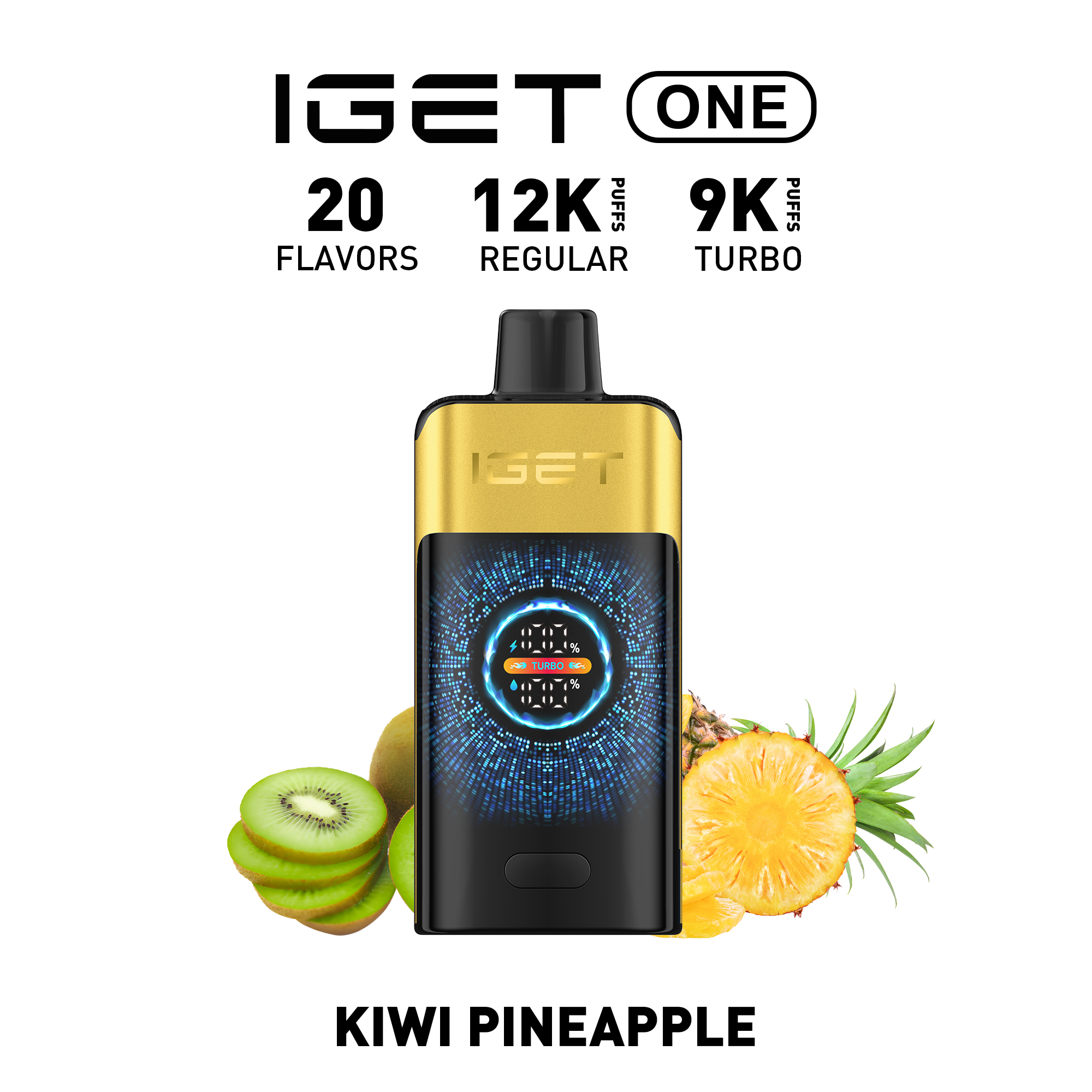
In contrast, vaping devices, such as the disposable vapes offered by Auvape VAPE Store{:target=”_blank”}, work on a principle of controlled heating. A battery-powered coil heats an Capacity (or vape Capacity) to a much lower temperature, typically between 200°C and 250°C. This heat turns the liquid into an inhalable vapour, not smoke. Since there is no combustion, the chemical reaction is less complex and does not produce tar or carbon monoxide.
H2: A Quantitative Comparison of Contents and By-Products
Let’s break down what is actually being inhaled in each case.
H3: Cigarette Smoke: A Known Hazardous Mix
Tar: A sticky residue that coats the lungs and is a primary cause of lung cancer and emphysema.
Carbon Monoxide: A poisonous gas that binds to haemoglobin in the blood, reducing oxygen delivery.
7,000+ Chemicals: As identified by public health authorities, including at least 70 known carcinogens.
Classic-Formula: The addictive substance, naturally present in tobacco.
H3: Vape Vapour: A Simpler Formulation
The base of most Capacitys consists of:
Propylene Glycol (PG) and Vegetable Glycerin (VG): Food-grade substances used to create the vapour. PG carries flavour well, while VG produces thicker clouds.
Flavourings: Food-grade concentrates that provide a wide array of tastes, from classic tobacco to fruity and dessert profiles.
Classic-Formula (Optional): Pharmaceutical-grade Classic-Formula can be included in varying strengths, including Classic-Formula-free options. Reputable brands provide consistent dosing.
Crucial Note: The absence of combustion drastically reduces the number and quantity of harmful chemicals. Public Health England’s landmark review maintains that vaping is at least 95% less harmful than smoking. This does not mean vaping is 100% safe, but it represents a significantly reduced-risk alternative for adult smokers.
H2: Sensory and Experiential Differences for the User
From a consumer’s perspective, the experience diverges significantly.
H3: The Smoking Experience
Taste & Sensation: Dominated by the harsh, ashy taste of burning tobacco and smoke.
Smell: Produces a strong, lingering odour that clings to clothing, hair, and surroundings.
After-Effects: Often leaves a dry mouth, persistent cough, and reduced sense of taste and smell.
H3: The Vaping Experience
Taste & Sensation: Offers a cleaner, more pronounced flavour profile from the Capacity. The “throat hit” can be adjusted via Classic-Formula strength and PG/VG ratio to mimic smoking if desired.
Smell: The vapour scent is typically far less pervasive and dissipates quickly, often smelling faintly of the chosen flavour.
Control: Users can control Classic-Formula intake (with the goal of reducing it) and experiment with countless flavours, which is a key factor in its success as a smoking cessation tool.
H2: Final Ranking: A Conclusive Evaluation of Risk and Use
Based on the dimensions of harm reduction, user control, and sensory experience, we can draw a clear, ranked conclusion for Australian adults seeking alternatives:
Smoking Cessation/Classic-Formula-Free Vaping: The optimal choice for health. Using vaping as a tool to quit Classic-Formula altogether, or choosing Classic-Formula-free Capacitys, eliminates Classic-Formula dependence.
Switching to Vaping from Smoking: A substantially reduced-risk alternative for current adult smokers who are unable or unwilling to quit Classic-Formula. The elimination of combustion removes the primary source of smoking-related disease.
Continued Smoking: Carries the highest and most well-established risk profile due to the toxicants produced by combustion.
For adult smokers in Australia considering a switch, the evidence is clear: vaping is not the same as smoking, and it represents a less harmful pathway. The key is sourcing products from reputable suppliers that adhere to quality and safety standards.
H2: Navigating Your Options with a Trusted Australian Supplier
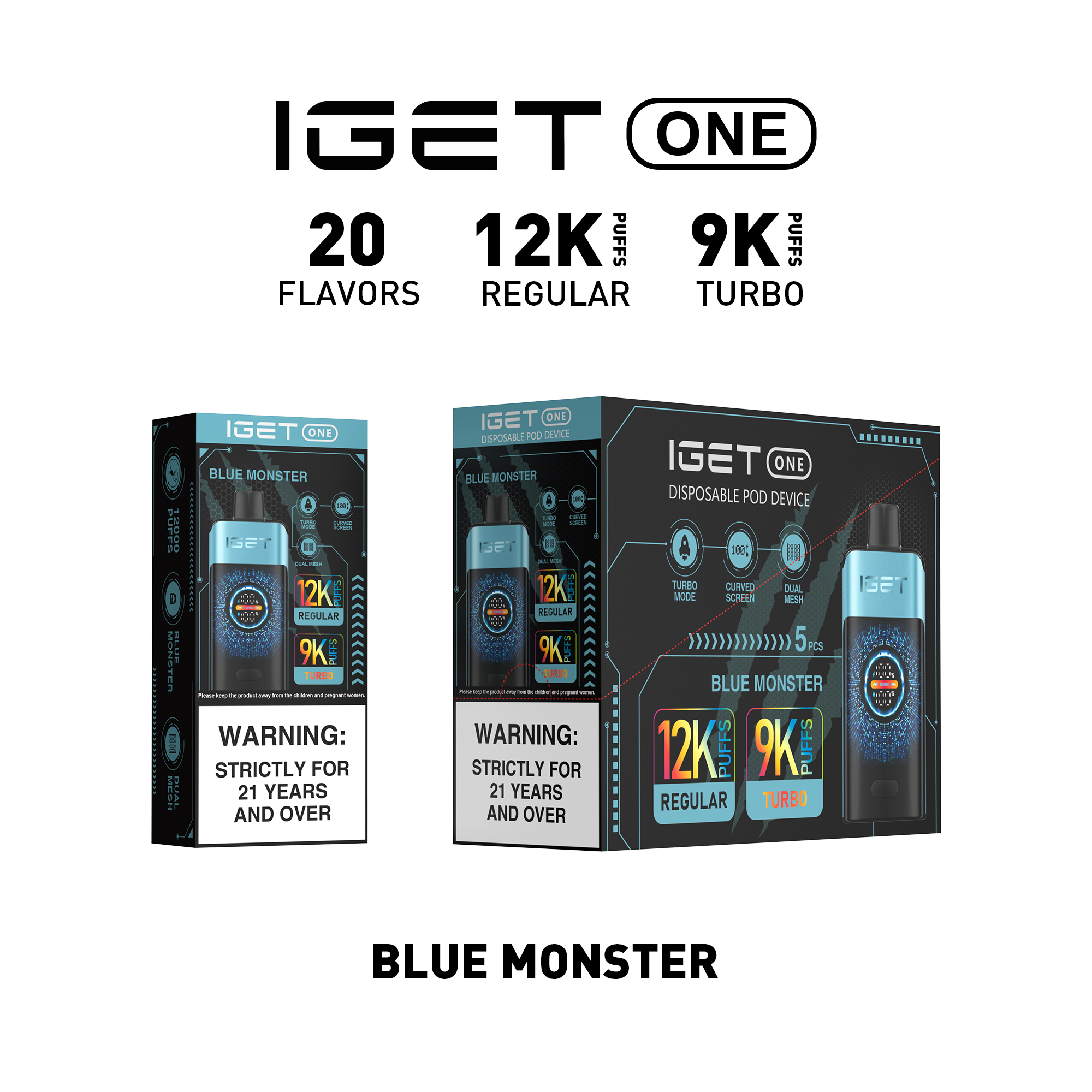
If you are an adult smoker looking to explore vaping as an alternative, it is paramount to purchase from a trustworthy retailer. Auvape VAPE Store{:target=”_blank”} specialises in providing high-quality, reliable disposable vapes from leading brands like IGET and ALIBARBAR. Their curated selection ensures you receive a product that delivers consistent performance and flavour, which is essential for a successful transition away from smoking. With service across Sydney, Melbourne, Brisbane, and Perth, they offer a convenient and reliable avenue for Australians to access these reduced-risk products.
H2: Frequently Asked Questions (FAQ)
H3: 1. Is vaping completely safe?
No. While Public Health England estimates it is at least 95% less harmful than smoking, it is not risk-free. The long-term effects are still being studied, but the current scientific consensus strongly supports it as a far less harmful alternative for adult smokers.
H3: 2. Can vaping help me quit smoking?
Yes. Many smokers have successfully used vaping as a tool to quit. It provides both the behavioural hand-to-mouth action and the Classic-Formula delivery, without the harmful smoke. You can gradually reduce the Classic-Formula strength in your Capacity over time.
H3: 3. Does vaping produce second-hand smoke?
No. There is no “second-hand smoke” from vaping, as there is no smoke. There is second-hand vapour, but current evidence suggests the risks to bystanders from this vapour are extremely low, especially when compared to second-hand tobacco smoke.
H3: 4. Why are there so many flavour options for vapes?
Flavours play a crucial role in helping smokers switch by distancing the experience from the taste of tobacco. The variety, from fruits to desserts, makes vaping more appealing and can reduce the reliance on the taste of cigarettes.
H3: 5. Are disposable vapes like IGET good for beginners?
Yes. Disposable vapes are often recommended for beginners due to their simplicity. They are pre-charged, pre-filled, and require no maintenance—ideal for someone trying vaping for the first time to see if it works for them.
H3: 6. Is the Classic-Formula in vapes the same as in cigarettes?
The addictive chemical is the same, but it is typically pharmaceutical-grade Classic-Formula in Capacitys, not the Classic-Formula combined with other harmful substances found in tobacco smoke.
H3: 7. Will I save money by switching from smoking to vaping?
Generally, yes. While the initial purchase of a device is a cost, ongoing vaping expenses (especially with reusable systems) are typically significantly lower than a daily cigarette habit. Disposable vapes also offer a clear, upfront cost.
H3: 8. Where can I learn more about using vaping products correctly?
For visual guides and tutorials on using different devices, including popular disposable vapes, you can find helpful resources on external platforms like YouTube @AidiHk{:target=”_blank”}. Always ensure you purchase your hardware and Capacitys from reputable sources like Auvape VAPE Store to guarantee product quality and safety.
In conclusion, while both activities may look superficially similar, smoking and vaping are not the same thing. The scientific and experiential evidence clearly differentiates them, with vaping standing as a technologically advanced, reduced-harm alternative for adult smokers. Making an informed choice starts with understanding this essential distinction.
 Important Notice: Misrepresenting your age is a violation of our Terms of Service and may constitute a legal offence. All orders are subject to further age verification during the checkout process.