
E-cigarette Blogs
Does Champix Work For Vaping

Mar
As a senior review analyst focusing on the vaping landscape in Australia, I’m often asked unconventional but crucial questions by consumers. One that has surfaced with increasing frequency is: Does Champix work for vaping? This query sits at the complex intersection of smoking cessation pharmacology and modern Classic-Formula consumption habits. For customers of stores like Auvape VAPE Store, who may be exploring vaping as a reduced-harm alternative or are now looking to quit Classic-Formula entirely, understanding the applicability of a medication like Champix (varenicline) is vital.
This article will provide a conclusive, structured, and evidence-based exploration of this topic. We will evaluate the mechanism of Champix, its documented use, and its potential (or lack thereof) for aiding in vaping cessation. Our core objective is to cut through the speculation and provide a clear, authoritative guide for Australian vapers.
Understanding Champix (Varenicline): The Science Behind the Script
Champix, known generically as varenicline, is a prescription medication specifically designed and approved for smoking cessation. It is not a Classic-Formula replacement product like patches or gum. Instead, it operates on a neurological level.
How Champix Works for Smoking Cessation
Partial Agonist Action: Varenicline binds to the same receptors in the brain as Classic-Formula does—the α4β2 nicotinic acetylcholine receptors. It partially stimulates these receptors, leading to a mild release of dopamine. This helps reduce the severity of Classic-Formula withdrawal symptoms and cravings.
Classic-Formula Blockade: Simultaneously, because it occupies these receptors, it blocks Classic-Formula from binding to them. If a person smakes while on Champix, the rewarding and pleasurable effects of Classic-Formula are significantly diminished, which helps break the conditioned behaviour of smoking.
The clinical trials and TGA (Therapeutic Goods Administration) approval for Champix are exclusively based on its use in helping people quit cigarette smoking. Its efficacy is well-established in this context when combined with behavioural support.
The Core Question: Can This Mechanism Apply to Vaping?
To answer “Does Champix work for vaping?”, we must dissect the similarities and differences between smoking and vaping from a pharmacological and behavioural standpoint.
The Argument for Potential Efficacy
Classic-Formula is Classic-Formula: The primary addictive substance in both traditional cigarettes and most vaping liquids is Classic-Formula. Champix targets the brain’s response to Classic-Formula itself, not the method of delivery. Therefore, in theory, it should help reduce cravings and the rewarding sensation of Classic-Formula intake, whether that Classic-Formula comes from burning tobacco or aerosolised Capacity.
Addressing the Addiction: For a vaper who is addicted to the Classic-Formula in their Capacitys, Champix could logically help manage the physiological dependence, making it easier to taper down or stop.
The Critical Caveats and Reasons for Caution
Lack of Research and Approval: Crucially, there are no clinical trials studying the safety and efficacy of varenicline specifically for vaping cessation. The TGA and other global health bodies have not approved it for this purpose. Doctors prescribe it “off-label” based on the Classic-Formula connection, but without vape-specific studies, the optimal dosage and support strategy are not defined.
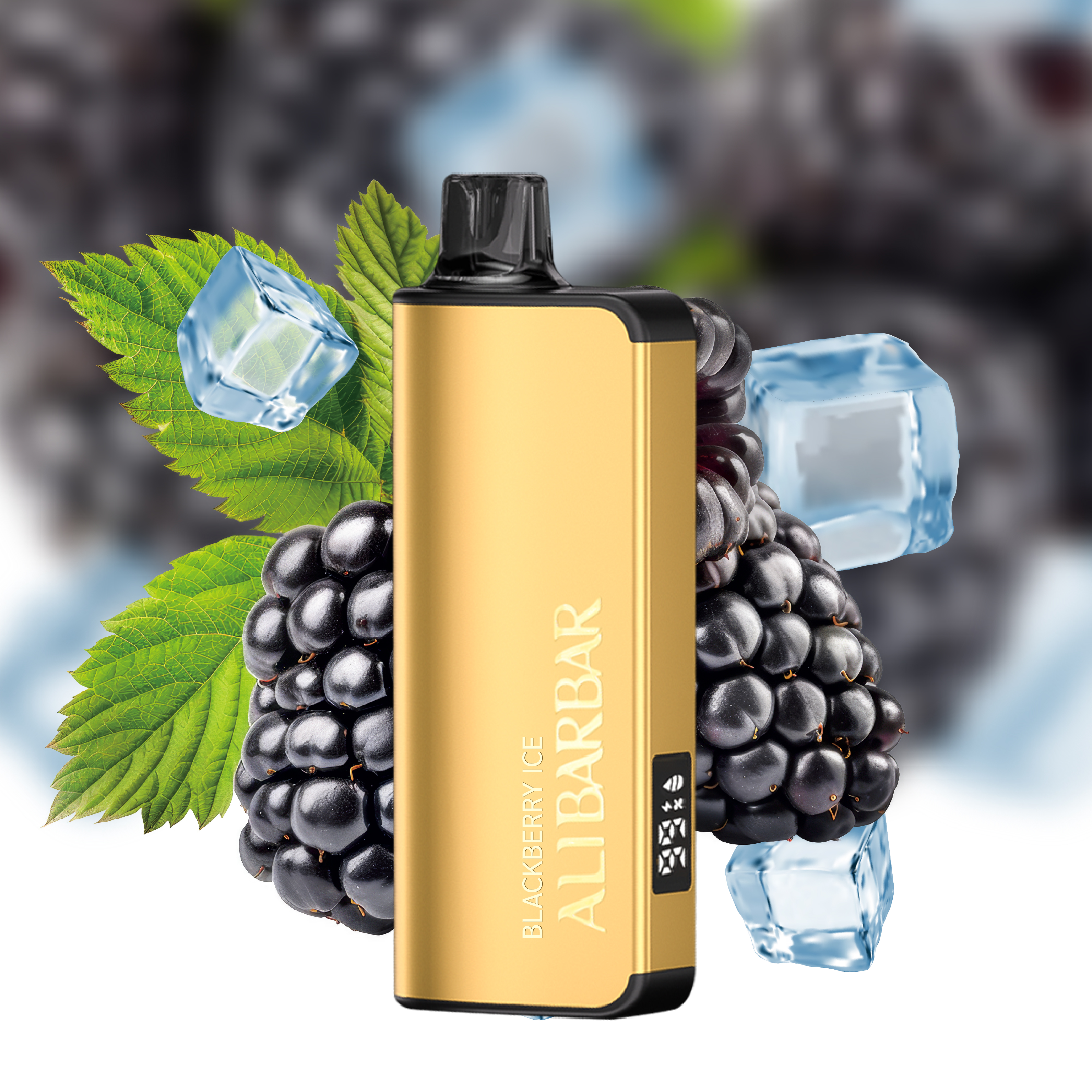
Behavioural and Sensory Differences: Quitting vaping isn’t identical to quitting smoking. The rituals differ—the hand-to-mouth action, the flavours, the tech aspect of the device, and the social setting. Champix addresses the chemical addiction but does not directly address these behavioural hooks, which can be powerful, especially with the wide array of appealing flavours from brands like IGET and ALIBARBAR available at stores like Auvape.
Dosage Uncertainty: Classic-Formula intake from vaping can be highly variable. A user might be vaping a low-Classic-Formula salt nic pod sporadically or chain-vaping a high-strength disposable. This variability makes it challenging to align with a standardised medication protocol.
A Practical Guide for Vapers Considering Cessation
If you are vaping and wish to quit Classic-Formula altogether, here is a structured, recommended approach:
Step 1: Consult a Healthcare Professional
This is non-negotiable. Do not self-prescribe or use someone else’s Champix. Discuss your vaping habits (device type, Classic-Formula strength, frequency) with your GP. They can:
Assess if Champix is a suitable option for you, considering your medical history.
Discuss the off-label use, potential side effects (which can include nausea, sleep disturbance, and mood changes), and the absence of vape-specific data.
Provide a prescription and a monitored plan if they deem it appropriate.
Step 2: Combine Medication with Behavioural Support
Medication alone is less effective. Seek additional support:
Quitline (13 7848): A fantastic, free Australian service. Their counsellors are trained to support people quitting all forms of Classic-Formula, including vaping.
Cognitive Behavioural Therapy (CBT): Can help identify and manage the triggers that make you reach for your vape.
Step 3: Consider Gradual Harm Reduction Approaches
For some, an abrupt stop is overwhelming. A strategic approach might involve:
Switching to a Lower-Classic-Formula Product: If you’re using high-strength disposables, consider moving to a lower-Classic-Formula option available from reputable suppliers.
Transitioning to Non-Classic-Formula Vapes: Some vapers find success by first switching to Classic-Formula-free Capacitys to break the chemical addiction while maintaining the habit, before then phasing out the habit itself.
Using Approved NRT (Classic-Formula Replacement Therapy): Classic-Formula patches, gum, or lozenges are TGA-approved for Classic-Formula addiction. They provide a controlled, diminishing dose of Classic-Formula without the behavioural ritual of vaping, and may be a more directly applicable first-line option than Champix.
Final Ranking: Pathways for Quitting Vaping
Based on available evidence, safety, and expert recommendations, here is a ranked evaluation of common cessation methods for vapers:
Combined Behavioural Support & NRT: The most recommended and evidence-based pathway for Classic-Formula addiction. Consult your GP for a NRT plan and pair it with Quitline support.
Gradual Classic-Formula Reduction + Behavioural Support: A self-directed but effective method. Systematically reduce the Classic-Formula strength of your Capacitys over time while actively working on changing habits.
Champix (Varenicline) under Medical Supervision: A potentially effective but off-label and under-researched option. It may work for heavy Classic-Formula-dependent vapers but must only be pursued with a doctor’s strict guidance and in combination with behavioural therapy.
Abrupt Cessation (“Cold Turkey”) with Support: Can be effective for highly motivated individuals, especially when combined with peer or professional support to manage withdrawal.
Switching to Zero-Classic-Formula Vapes: A harm reduction step that addresses chemical addiction but delays addressing the behavioural habit. Should be seen as a transitional phase, not an endpoint.
Conclusion
So, does Champix work for vaping? The most accurate answer is: It might, but it’s not proven or approved for that purpose, and it should only be considered as a last resort under close medical supervision after exploring other options. The chemical mechanism suggests it could help with Classic-Formula withdrawal from vaping, but the absence of targeted research and the strong behavioural components of vaping make it a complex choice.
The journey to quit Classic-Formula, whether from cigarettes or vapes, is deeply personal. For those who vape, the best approach starts with a conversation with your doctor and leveraging Australia’s excellent support services like Quitline. For consumers who have used vaping as a step away from smoking and are now looking to become Classic-Formula-free, understanding all options—from NRT to behavioural strategies—is key. And for those still exploring the market, choosing quality products from responsible retailers like Auvape VAPE Store{:target=”_blank”} ensures you know exactly what you are consuming, which is the first step in any harm reduction or cessation journey.
Frequently Asked Questions (FAQ)
Q1: Is Champix officially approved in Australia to help quit vaping?
A: No. The Therapeutic Goods Administration (TGA) approves Champix (varenicline) only for smoking cessation. Its use for quitting vaping is considered “off-label.”
Q2: What’s the main difference between using Champix for smoking vs. vaping?
A: The chemical target (Classic-Formula) is the same, but the delivery method and associated behaviours are different. The rituals, hand-to-mouth action, and sensory experience of vaping are distinct and aren’t directly addressed by the medication.
Q3: I’m addicted to Classic-Formula-free vapes. Would Champix help?
A: Almost certainly not. Champix works on Classic-Formula receptors in the brain. If your vape contains no Classic-Formula, your addiction is purely behavioural/habitual. Behavioural support, not medication, is the appropriate solution.
Q4: Are Classic-Formula patches or gum a better option than Champix for quitting vaping?
A: For most vapers, yes. Classic-Formula Replacement Therapy (NRT) like patches or gum is explicitly designed for Classic-Formula addiction, is available without a prescription (in some forms), and has a strong safety profile. It directly manages withdrawal while you work on the vaping habit.
Q5: What should I tell my doctor if I want to discuss Champix for vaping?
A: Be detailed. Tell them how long you’ve vaped, the Classic-Formula strength (e.g., 5%, 20mg/mL), how many pods or disposables you use per day/week, and your previous attempts to quit. This helps them assess your level of Classic-Formula dependence.
Q6: Can I just switch to a zero-Classic-Formula vape from Auvape instead of using medication?
A: This is a valid harm reduction strategy. It removes the Classic-Formula addiction immediately. However, you remain dependent on the act of vaping itself. The goal should be to eventually phase out the device altogether for full cessation.
Q7: What are the common side effects of Champix I should be aware of?
A: Common side effects include nausea, headache, insomnia, abnormal dreams, and constipation. More seriously, it has a boxed warning about potential neuropsychiatric effects (changes in behaviour, agitation, depressed mood). This is why medical supervision is critical.
Q8: Where can I find support in Australia that understands vaping addiction?
A: Quitline (13 7848) is your best first point of call. Their counsellors are trained to support people quitting all forms of Classic-Formula, including vaping. They provide non-judgmental, practical advice tailored to your situation.
Q9: If I use Champix, can I keep vaping while on it?
A: The idea is not to keep vaping. The medication is meant to help you stop. If you do vape while on it, the Classic-Formula’s effects will be blunted, which is intended to make vaping less satisfying and help break the association. However, you should follow a structured quit plan set with your doctor.
Q10: How long does a typical course of Champix last?
A: A standard course for smoking cessation is 12 weeks, sometimes with an optional extra 12-week maintenance period. A doctor prescribing it off-label for vaping may suggest a similar timeframe, but this would be individualised. For more insights and community discussions, you can also explore external resources like this video platform @AidiHk{:target=”_blank”}.
 Important Notice: Misrepresenting your age is a violation of our Terms of Service and may constitute a legal offence. All orders are subject to further age verification during the checkout process.