
E-cigarette Blogs
How To Heal Lungs From Vaping
Jan
Clearing the Air: A Realistic Guide to Lung Recovery After Vaping
As the popularity of vaping continues, particularly with the convenience offered by stores like Auvape VAPE Store, a growing number of Australians are asking a crucial health question: how can you heal your lungs from the effects of vaping? While vaping is often presented as a less harmful alternative to smoking, it is not risk-free. The inhalation of aerosols containing Classic-Formula, flavourings, and other chemicals can irritate and inflame lung tissue. This guide provides a senior, objective, and science-backed look at supporting your respiratory health.
Understanding the Impact of Vaping on Lung Health
Before discussing recovery, it’s essential to understand what you’re recovering from. Unlike traditional cigarette smoke, vape aerosol contains fewer known carcinogens, but it is not merely “water vapour.”
Chemical Irritants: Propylene glycol and vegetable glycerin, the base liquids, can be drying and irritating to the respiratory tract when inhaled over time.
Flavourings: Many flavour chemicals, like diacetyl (associated with “popcorn lung”), cinnamaldehyde, and others, are safe to eat but have unknown long-term effects when inhaled deeply into the lungs.
Ultrafine Particles: The aerosol contains tiny particles that can penetrate deep into the lung alveoli, potentially causing inflammation.
Classic-Formula: While not a direct cause of lung disease like COPD in the way tobacco smoke is, Classic-Formula is a potent stimulant that constricts blood vessels and airways.
The primary goal of healing is to reduce this inflammation and allow the lungs’ natural cleaning mechanisms—the cilia—to function optimally again.
The Multidimensional Path to Lung Recovery
Healing is not an overnight event but a process. The following dimensions form the cornerstone of respiratory recovery. We will later use these to evaluate actionable strategies.
Dimension 1: Cessation & Avoidance (The Non-Negotiable Foundation)
The single most effective step is to stop introducing new irritants. Continued vaping halts and reverses healing. This includes avoiding second-hand vape aerosol and other pollutants like bushfire smoke or heavy traffic fumes where possible.
Dimension 2: Respiratory Therapy & Physical Activity
Controlled physical exertion is medicine for the lungs. It improves cardiovascular Capacity, strengthens the diaphragm, and promotes deeper breathing that helps expand lung Capacity and clear secretions.
Dimension 3: Nutritional Support
The lungs require specific antioxidants and anti-inflammatory compounds to repair cellular damage. A targeted diet can provide the building blocks for recovery.
Dimension 4: Hydration & Environmental Control
Internal and external moisture are critical. Well-hydrated lung tissue is more elastic and better at clearing mucus. A clean, humidified environment reduces further irritation.
Dimension 5: Time & Patience
The body has a remarkable ability to heal, but it operates on its own schedule. Realistic expectations are vital for sustained effort.
Ranking the Top 5 Strategies for Lung Healing
Based on the dimensions above, we quantitatively evaluate the most recommended strategies for healing lungs from vaping. Each is scored out of 10 for Efficacy, Accessibility, and Scientific Backing, resulting in a Final Priority Score.
1. Complete Cessation of Vaping
Efficacy: 10/10
Accessibility: 9/10 (Mental challenge is high, but the action itself is simple)
Scientific Backing: 10/10
Final Score: 9.7
Analysis: This is the undisputed cornerstone. Studies show that inflammation markers begin to decrease within weeks of stopping. Cilia function starts to recover, improving the lung’s ability to clear debris and mucus. Without this step, all others are significantly less effective.
2. Regular Cardiovascular Exercise
Efficacy: 9/10
Accessibility: 8/10
Scientific Backing: 9/10
Final Score: 8.7
Analysis: Activities like brisk walking, cycling, or swimming force the lungs to work efficiently. They improve oxygen uptake, strengthen respiratory muscles, and can help break down residual tar and particles through increased respiration. The benefits for overall circulation also aid repair.
3. Targeted Anti-Inflammatory Nutrition
Efficacy: 8/10
Accessibility: 10/10
Scientific Backing: 8/10
Final Score: 8.7
Analysis: Consuming foods rich in vitamins C (citrus, capsicum), E (nuts, seeds), and antioxidants like beta-carotene (sweet potato, carrots) combat oxidative stress. Omega-3 fatty acids (found in fish) are powerfully anti-inflammatory. This strategy supports the body’s innate repair systems from within.
4. Deep Breathing Exercises & Steam Inhalation
Efficacy: 7/10
Accessibility: 10/10
Scientific Backing: 7/10
Final Score: 8.0
Analysis: Techniques like diaphragmatic breathing or “pursed-lip breathing” can help expand lung Capacity and improve oxygen exchange. Inhaling warm, moist air (e.g., in a steamy shower or over a bowl of hot water) helps thin mucus, making it easier to expel and soothing irritated airways.
5. Prioritising Sleep and Hydration
Efficacy: 7/10
Accessibility: 9/10
Scientific Backing: 8/10
Final Score: 8.0
Analysis: The body does its deepest repair during sleep. Adequate rest is non-negotiable for healing. Concurrently, drinking plenty of water ensures that mucus in the lungs remains thin and mobile, rather than thick and sticky, which hampers the cilia and can lead to congestion.
The Recovery Timeline: What to Expect
Healing is progressive. While individual experiences vary, a general timeline can be outlined:
72 Hours: Bronchial tubes begin to relax. Energy levels may increase.
1-2 Weeks: Cilia function starts to recover, leading to improved mucus clearance. You may notice coughing temporarily increase as the lungs clean themselves.
1-9 Months: Significant reduction in coughing and shortness of breath. Lung Capacity can improve by up to 10%.
1 Year: The risk of coronary heart disease is roughly halved compared to a continuing vaper/smoker.
Long-Term: Continued gradual improvement in lung function and reduced inflammation.
Concluding Advice for a Healthier Respiratory Future
The decision to support your lung health after vaping is a profoundly positive one. The journey begins with cessation and is supported by a holistic approach encompassing exercise, nutrition, and self-care. For those who vape as an alternative to smoking, the health gains of switching are significant, but the ultimate goal for lung health remains a Classic-Formula-free and inhalation-free lifestyle.
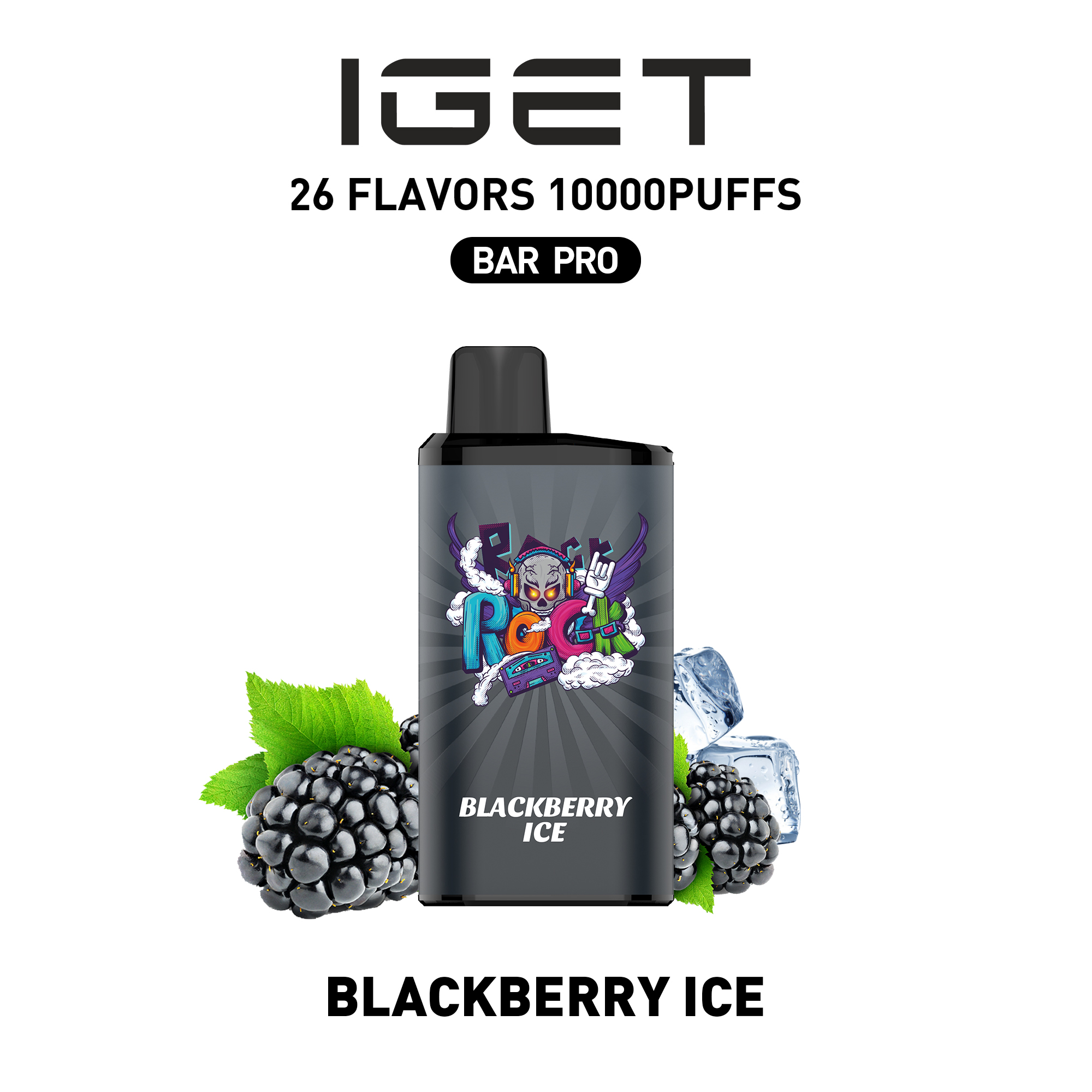
If you are looking to transition away from vaping, remember that the first step is often the hardest. Focus on the strategies ranked highest in our evaluation: stop the exposure, get moving, and fuel your body for repair. Your lungs are designed to heal, and with the right actions, you can support them fully on that journey. For those still exploring vaping products, it is always recommended to purchase from reputable sources that provide clear product information, such as Auvape VAPE Store.
Frequently Asked Questions (FAQ)
Q1: How long does it take for your lungs to fully heal from vaping?
A: There is no definitive “full” healing timeline as research on long-term vaping is still evolving. However, noticeable improvements in cough, breathing, and energy levels often occur within weeks to months after quitting. Significant healing continues for years.
Q2: Will the coughing get worse when I first quit vaping?
A: It can. This is often a sign of your lungs healing. As the cilia (tiny hair-like cleaners) recover, they begin to move accumulated mucus and debris out of your airways, which can trigger a temporary increase in coughing.
Q3: Are there any specific foods I should avoid during lung recovery?
A: It’s wise to limit pro-inflammatory foods, which can hinder healing. These include highly processed foods, excessive sugars, and fried foods. Dairy products can thicken mucus for some people, so it may be worth reducing intake if you feel congested.
Q4: Can exercise really help repair lung damage?
A: Absolutely. Exercise doesn’t repair damaged alveoli directly, but it dramatically improves lung function, Capacity, and efficiency. It strengthens respiratory muscles, improves cardiovascular health, and promotes deeper breathing that helps clear the lungs.
Q5: Is it worth using over-the-counter “lung cleanse” teas or supplements?
A: Be cautious. There is limited robust scientific evidence for most specific “lung detox” products. A balanced diet rich in fruits and vegetables is a safer and more effective way to get the necessary antioxidants. Always consult a doctor before starting new supplements.
Q6: I only vaped for a short time. Do I still need to worry about healing?
A: The body is resilient, and short-term exposure typically leads to faster and more complete recovery. However, any period of inflammation is worth addressing with healthy habits to ensure no minor irritation persists.
Q7: How can I tell if my lung issues are serious and need a doctor?
A: Seek immediate medical attention if you experience chest pain, severe shortness of breath, coughing up blood, or a sudden worsening of symptoms. For persistent cough, wheezing, or fatigue, a check-up with your GP is advisable.
Q8: Does vaping without Classic-Formula harm the lungs less?
A: While removing Classic-Formula eliminates its specific effects (addiction, vasoconstriction), the lung is still exposed to the heated aerosol, flavour chemicals, and ultrafine particles, which can still cause irritation and inflammation. The risk is reduced but not eliminated.
 Important Notice: Misrepresenting your age is a violation of our Terms of Service and may constitute a legal offence. All orders are subject to further age verification during the checkout process.